CLIENT
SUM Locatie Delft & Wuppertal
ARCHITECT
.
YEAR OF COMPLETION
2022
SURFACE
6 Duplicor facade elements SUM m2
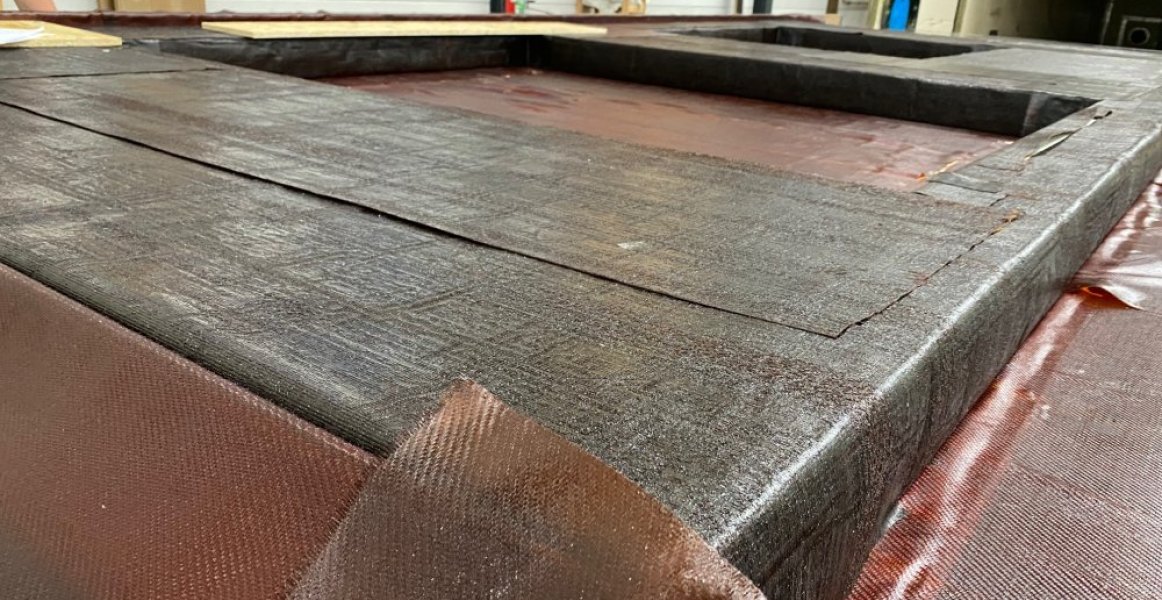
Duplicor® element facade, bio-composite for lightweight and sustainable use in "topping up" solutions
SUM is a student initiative from TU Delft see also delftsolardecathlon.com SUM stands for Symbiotic Urban Movement.
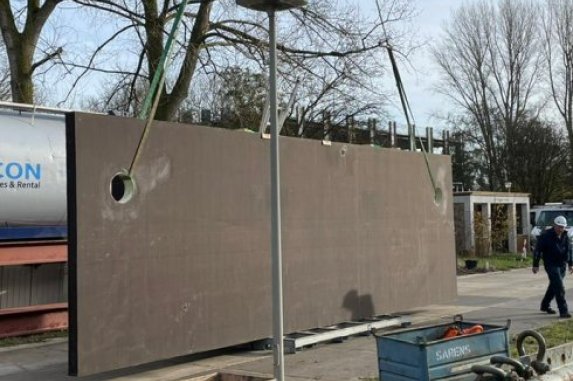
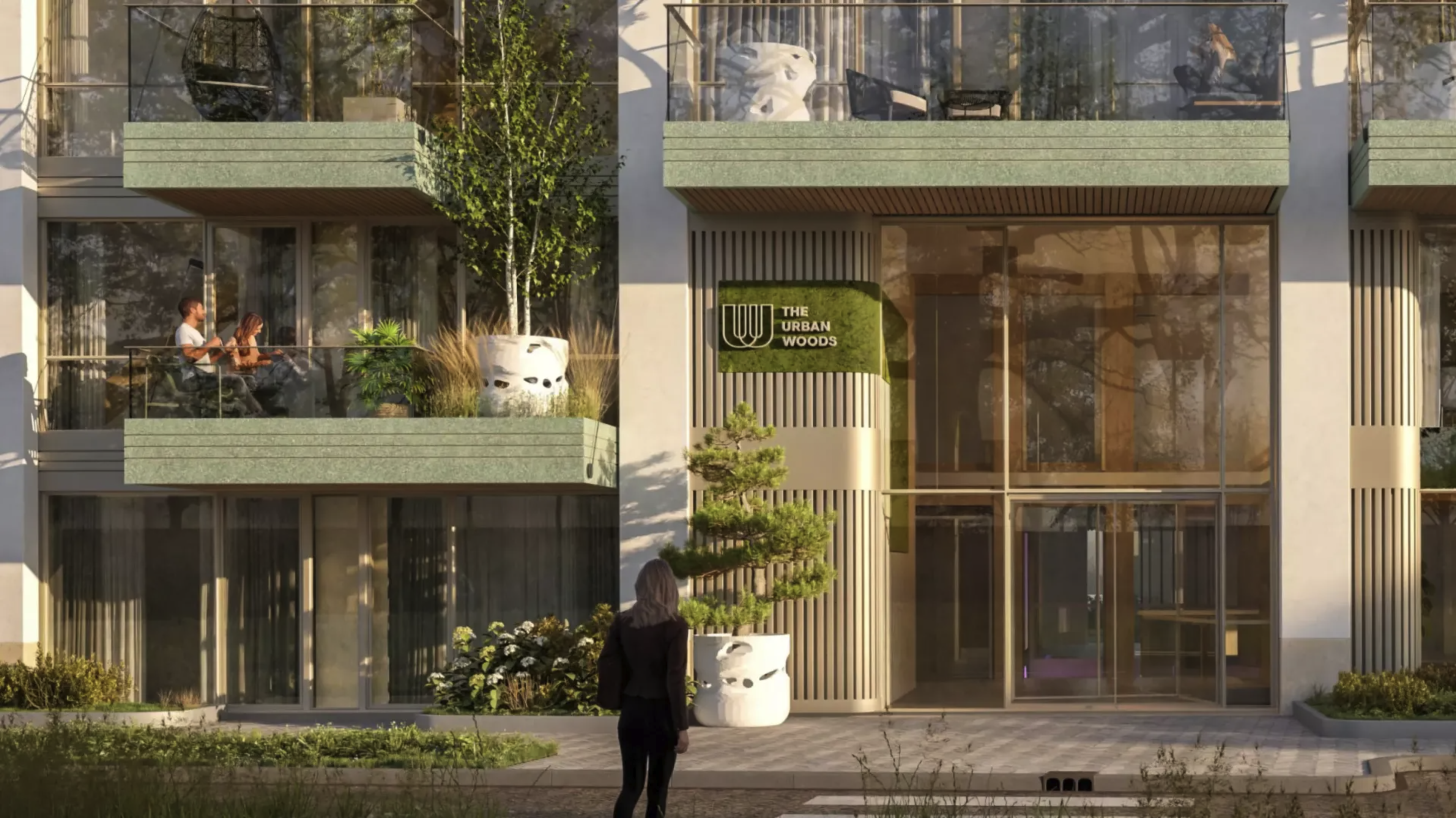
With our Duplicor® element facade solution we have supported team SUM together with our partner De Groot & Visser, with the sponsorship and delivery of element facade parts finished with stone strips and decorative plaster. The insulating structural facade elements (house wide and floor high, offered a self-supporting solution for the prefabricated lightweight facade for topping up existing apartment buildings with bio-based materials.

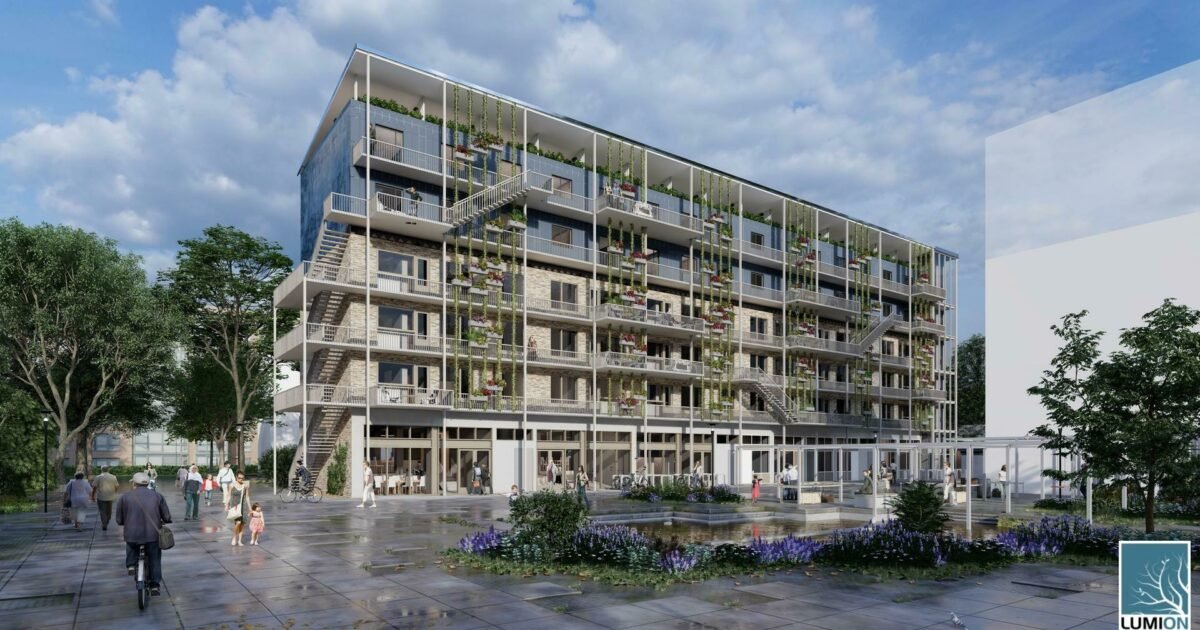
SUM aims for 289 / 5,000. A renovation plan for 847,000 underperforming rental flats. With our housing repurposing strategy we want to create a world where diversity, innovation and social interaction are stimulated. Where smart design solutions can tackle social, economic and ecological challenges.
In an already complex world, where ever-increasing technological progress imposes hectic daily rhythms and contributes to the detachment of man from the environment, there is an urgent need for man to return to nature, to its simplicity and to reconnect with it.
SUM wants to cross this boundary and create a new environment where man, plant and animal flourish; an environment where each of the groups benefits from the presence of the other. This is what we call: Symbiose
Climate neutral in 2050
To combat climate change, the Dutch government wants to be climate neutral by 2050. Europe is aiming for a climate neutral economy by 2050. The Dutch Climate Agreement therefore aims to reduce gas emissions by 49% by 2030 and 95% by 2050. This means that the emission of 3.4 megatons of CO2 in 2030. Therefore, 1.5 million homes must be made more sustainable by 2030.
To meet these challenges, SUM will tackle the alarming state of Dutch post-war neighborhoods by focusing on tenements built between 1945-1974. There are 847,00 tenements in the Netherlands, accounting for 11% of the total housing stock.
By addressing this typology, this integrated design will create a platform that strengthens the local community and encourages young adults to adopt new and sustainable habits. We want to create a symbiotic breeding ground that leads to affordable, vibrant communities and a sustainable environment.
Related projects
Biobased bouwen krijgt vorm in Delft