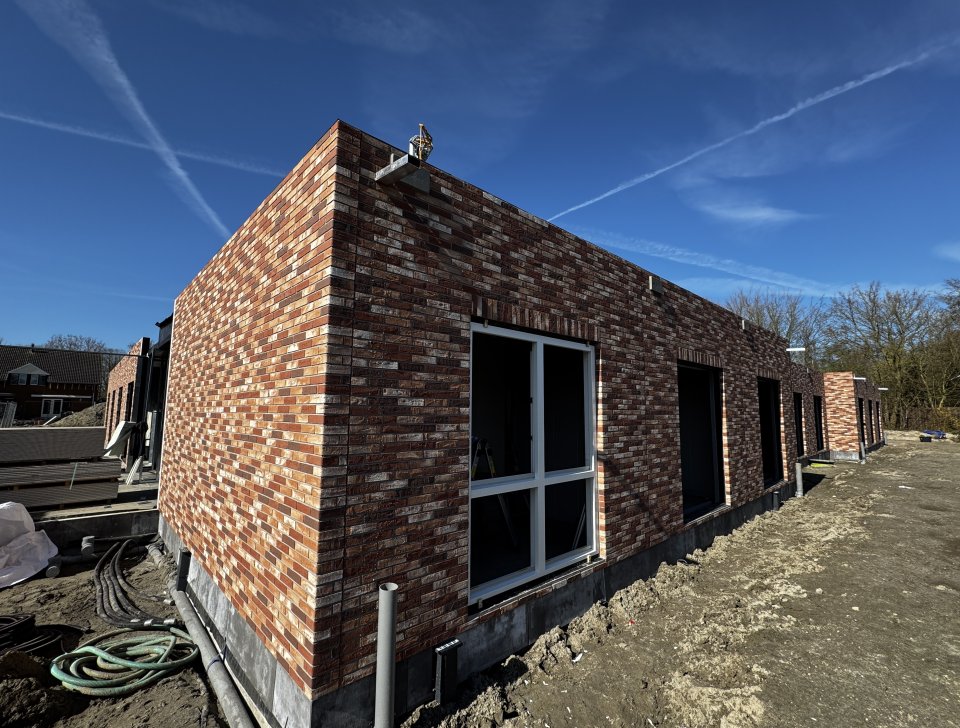
Projects are using Duplicor prepreg panels with the highest fire performance in Euroclass B without flame retardants for lighter weight and a smaller carbon footprint in sustainable yet affordable roofs, high-rise facades and modular housing.
As explained in CW’s 2019 tour article, Holland Composites (Lelystad, Netherlands) has been developing composite solutions for architecture and construction for decades. Its first project, an energy-efficient 6 x 3 x 3 meter (l, w, h) modular housing unit for universities called Space Box, was an instant success, selling thousands of units. The company has since completed a number of high-profile projects, manufacturing and installing composite roof structures and facades, including the RAFICLAD system of translucent composite panels that can be made in any color and incorporate visual fibers, logos or even dried organic material.
Now, however, Holland Composites is coming up with what Janssen calls a breakthrough solution: Duplicor biobased, fire-resistant composites. “We use a plant-based resin with a mix of possible fibers, depending on the application,” he explains. “And we no longer use PIR (polyisocyanurate) or EPS (expanded polystyrene) foam in sandwich constructions, but only recycled PET foam.” The latter, he admits, is not biobased, “but it does help remove plastic from the environment. Duplicor is sustainable, it stores CO2 and it is a solution for building with less material. More and more construction tenders are not only awarded on price, but also on the environmental impact of the materials and the process you use.” And, he adds, “Duplicor is affordable.”
Read the full article at
More news
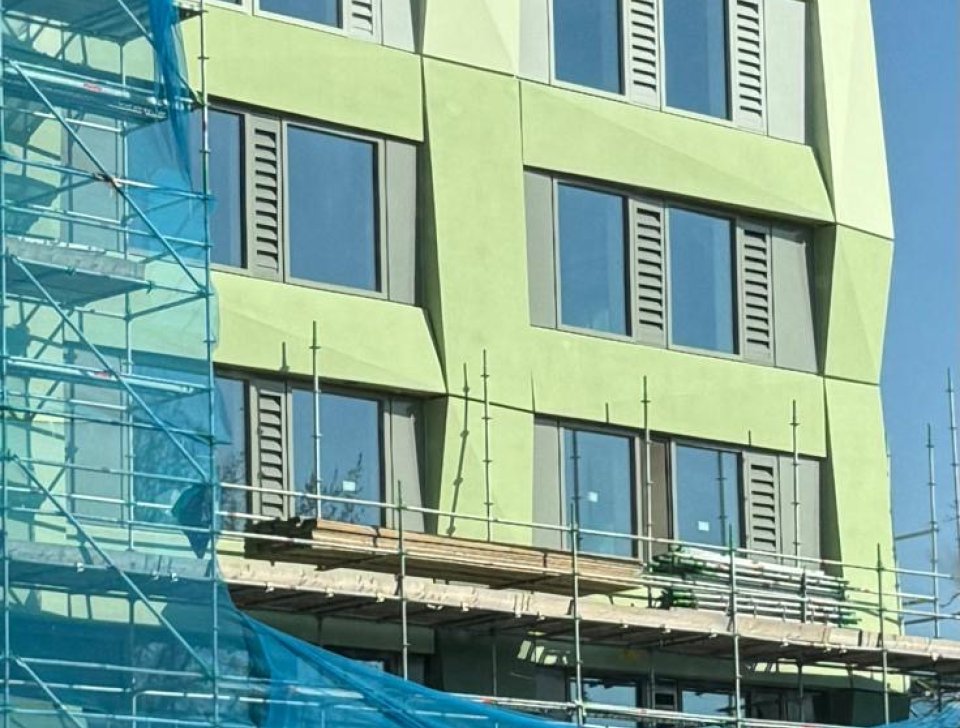
Kop Dakpark Rotterdam